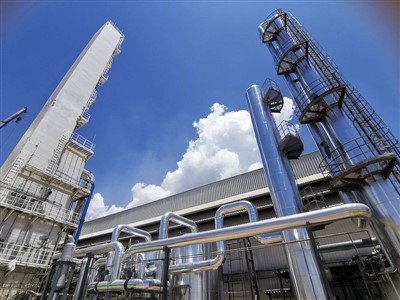
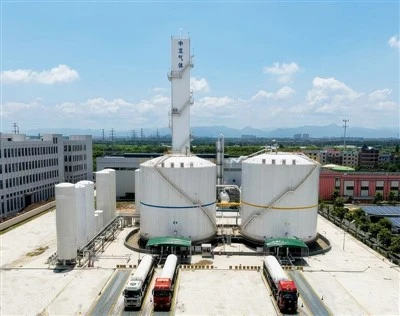
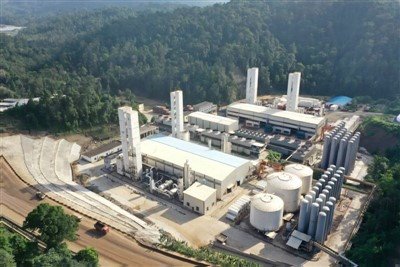
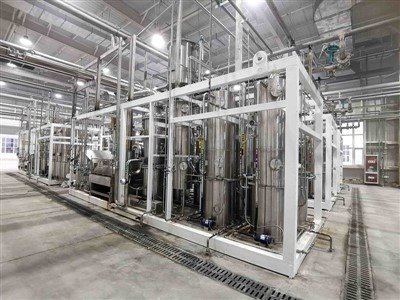
An air separation unit is a gas separation device that liquefies and fractionates air, ultimately separating it into oxygen, nitrogen, and other useful gases. It is also known as an air separation plant. Its minimum operating temperature is 77K. In the late 19th century, air was still considered a "permanent gas," but later it was discovered that air could be liquefied at very low temperatures, and due to the different boiling points of oxygen and nitrogen, oxygen and nitrogen could be separated from liquefied air. The first commercial oxygen generator was manufactured in 1903, initially used only for gas welding and cutting of metals. The nitrogen fertilizer industry required nitrogen, so oxygen generators were developed to produce both oxygen and nitrogen simultaneously, and were renamed air separation units.
Air separation units have developed into large-scale systems, incorporating modern scientific and technological advancements such as turbine compressors, turbine expanders, plate-fin heat exchangers, microcomputers, and molecular sieve adsorbers. These improvements have led to continuous refinement and improvement of air separation equipment. The air pressure in the equipment has decreased from high pressure (20 MPa) to low pressure (less than 1 MPa), and the power consumption per unit of product has also gradually decreased (from 1.5 to 0.6 kilowatt-hours per cubic meter of oxygen). Modern air separation units can produce gaseous or liquid products of various capacities and purities, and can also manufacture ultra-high purity oxygen and nitrogen. Air separation units can also adjust the quantity of products as needed by the user, through computer control, achieving economical oxygen utilization.