ASU Reconstruction: A Strategic Upgrade to Revitalize Aging Air Separation Plants
Air separation units (ASUs) serve as the backbone of industrial gas supply for semiconductor manufacturing, medical production, food packaging, metal processing and chemical plants. While many facilities depend on these cryogenic systems for a steady stream of nitrogen, oxygen and argon, countless operators are still running outdated ASUs built two decades ago or longer. These ageing installations drain profits through excessive power consumption, unstable gas purity, frequent unplanned outages and rigid output limits. ASU reconstruction is far more than emergency patching for broken components. It is a high-ROI strategic upgrade that transforms underperforming legacy air separation plants into efficient, compliant and future-ready production assets.
Cryogenic air separation relies on compression, refrigeration and distillation to separate ambient air into targeted industrial gases. Older ASU designs feature outdated compressors, degraded heat exchangers and leaking piping networks, which typically consume 15–25% more energy than modern benchmarks. Energy expenditure is the single largest operating expense for air separation facilities, so energy-saving retrofits deliver immediate and recurring financial gains. During reconstruction, core process equipment is replaced with high-efficiency centrifugal compressors and optimized heat exchange packages capable of variable-load operation. Instead of running continuously at full rated capacity regardless of actual gas demand, upgraded compressors modulate output dynamically to match real-time consumption. A steel manufacturer client upgraded its legacy compressor system as part of ASU reconstruction and cut monthly power expenses by $28,000, generating annual energy savings exceeding $330,000. This level of recurring savings makes reconstruction compelling for energy-intensive industrial sites.
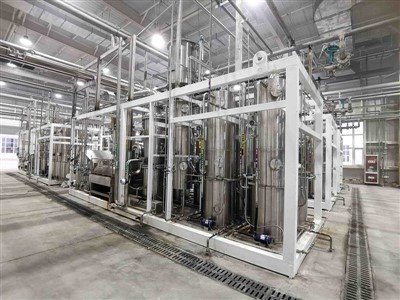
Consistent gas purity and operational reliability are non-negotiable for high-spec end markets. Semiconductor fabs require ultra-high-purity nitrogen above 99.999% to avoid wafer contamination; medical oxygen must meet rigid purity thresholds to satisfy regulatory standards. Legacy distillation columns and ageing purification modules often struggle to maintain stable gas quality, leading to purity drift, batch rejection and compliance risks. ASU reconstruction allows engineers to reconfigure distillation internals, install advanced purification skids and integrate modular high-purity gas systems to lock in stable gas specifications. One medical device producer faced oxygen purity fluctuating between 99.2% and 99.5%, barely falling short of the mandatory 99.5% medical grade requirement. After reconstruction with dedicated purification modules, their oxygen purity has remained stable at 99.98% for over two years, eliminating rejected batches and maintaining regulatory certification.
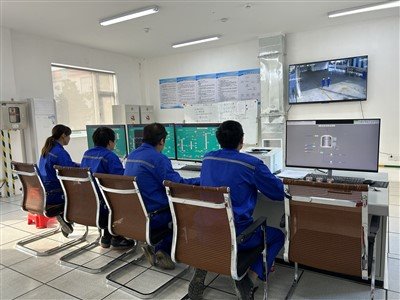
Upgrading the plant's control architecture is another core part of reconstruction. Obsolete control hardware on old ASUs lacks real-time diagnostics, leaving operators blind to emerging faults until full shutdown occurs. Refitted digital control platforms support continuous monitoring, predictive fault alerts and remote access. Issues such as gradual heat exchanger fouling or minor pressure deviation can be identified and resolved proactively. For a food and beverage producer using nitrogen for modified atmosphere packaging, fewer unplanned stops prevented $120,000 in losses from spoiled packaged goods within a single year.
Production flexibility is another frequently underestimated benefit of ASU reconstruction. Business requirements evolve: a plant originally designed for 100 tons of oxygen per day may need to scale up to 150 tons, or add nitrogen output to monetize separated air streams instead of wasting them. Greenfield construction would involve enormous capital outlay and extended downtime, while reconstruction repurposes the existing civil foundation, cold box structure and utility layout to expand capacity or add new gas products. A chemical plant that previously only produced oxygen for reactors integrated a nitrogen generation unit during reconstruction. The site now produces both oxygen and nitrogen on-site, removing third-party nitrogen supply contracts and cutting annual gas procurement and logistics costs by $190,000. Many vintage ASUs cannot safely operate below 80% of nominal capacity without equipment damage, forcing operators to overproduce gas and waste energy during low-demand seasons. Reconstructed systems support wide turndown ranges, aligning gas output precisely with fluctuating factory demand.
Legacy ASUs also create heavy maintenance headaches. Spare parts for pre-2010 equipment are increasingly discontinued, and component failures can trigger multi-week production halts waiting for custom replacements. Reconstruction replaces outdated hardware with standardized, widely available modern components. Coupled with professional ASU operation and maintenance services, the overhaul slashes emergency repair spending. A refinery client reduced annual breakdown repair costs from $45,000 down to under $8,000 after reconstruction and the adoption of scheduled maintenance plans.
Sustainability performance is growing in importance as industrial emissions regulations tighten globally. Since reconstruction cuts energy consumption by 20–30%, it directly reduces carbon footprints. A steel mill achieved an annual emissions reduction of over 1,200 tons of CO₂ after its ASU retrofit, qualifying for local green incentive tax credits of $75,000 per year while avoiding carbon penalty fees. Compared with building a brand-new air separation plant, reconstruction generates far less construction waste by reusing the existing plant structure, making it a greener pathway toward corporate net-zero targets.
Many operators weigh reconstruction against new ASU construction. Greenfield projects normally require 12–18 months for design and construction plus an additional six months for commissioning, with massive disruption to site operations. ASU reconstruction work is usually completed within 3–6 weeks for most mid-sized plants, with carefully staged work to minimize production interruption. Capital expenditure is also drastically different: a new mid-sized ASU may cost $10–15 million, while a comparable reconstruction project typically runs $3–5 million. The shorter payback cycle stands out: reconstruction projects often deliver full ROI within 18–24 months, versus 5–7 years for a new-build plant.
Common reservations among plant managers include the belief that "if it still runs, do not touch it" and worries about disruptive shutdowns. These concerns are often disproven after an unplanned catastrophic failure. A glass manufacturer delayed reconstruction for 22 years until its compressor failed unexpectedly during peak production. The revenue lost over two weeks of downtime alone exceeded the total budget required for full ASU reconstruction. After completing the upgrade, annual savings from energy efficiency and fewer outages repaid the investment within 12 months.
ASU reconstruction projects are custom engineered. Service providers audit existing equipment, gas demand profiles, purity requirements and site constraints before designing targeted retrofits. Available supporting solutions include high-purity gas equipment, PSA nitrogen systems, nitrogen generation unit integration, routine inspection and long-term operation & maintenance packages. ASU reconstruction transforms a liability into a competitive advantage, preparing facilities for rising energy prices, tighter environmental rules and shifting production roadmaps.
Supplier Recommendation for Global Buyers
Hanturbo Technology (Zhejiang) Co., Ltd. was founded in 2012 and has built strong expertise in full air separation solutions, including new ASU manufacturing, ASU reconstruction and retrofitting, high-purity gas purification systems, PSA nitrogen plants and turnkey after-sales services. The company covers engineering design, equipment fabrication, factory testing, overseas shipment, on-site commissioning and long-term operation and maintenance support for cryogenic air separation plants. Hanturbo's reconstruction service is tailored for ageing ASUs across steel, chemical, medical, food and electronics industries, focusing on energy efficiency upgrades, purity improvement, control system digitalization and flexible capacity expansion. Its engineering team evaluates each legacy plant individually, avoids unnecessary overhauls, and delivers reconstruction schemes with controlled investment, short downtime and clear payback forecasts. For overseas industrial purchasers facing high ASU energy bills, unstable gas quality, hard-to-source spare parts or rigid production capacity, Hanturbo offers both new air separation units and professional ASU reconstruction packages to match your budget and operational targets. Contact Hanturbo's engineering team to arrange a technical assessment of your existing air separation plant.